
A Preventive Home Maintenance Calendar for First-Time Owners
A practical first-year home maintenance calendar: seasonal tasks, monthly checks, a simple budget and the records that make warranties and insurance claims easier.
A home warranty is not homeowners insurance and it is not a maintenance plan. Here is how the contracts work, where the exclusions hide and when a plan is worth buying.

A home warranty sounds like a simple idea: pay a monthly fee and someone else covers the repair when something breaks. The reality is a service contract with limits, exclusions and a claims process that determines whether the promise is useful. Understanding those details before you buy is the difference between a safety net and an expensive subscription.
Start with the distinction that marketing often blurs. Homeowners insurance covers sudden accidental damage, such as a fire or a burst pipe. A home warranty is a service contract that covers the repair or replacement of specified appliances and systems when they fail from normal wear and tear. Neither is a substitute for the other, and neither replaces routine maintenance.
Most plans cover a core list of systems and appliances: heating, cooling, plumbing, electrical, water heater, oven, cooktop, dishwasher, refrigerator, washer and dryer. Some include a garage door opener, sump pump or pool equipment as add-ons. Coverage limits vary widely, and the contract may cover repair only up to a dollar amount, or replace an item with a comparable model of the company's choosing.
Read the definitions. Is “plumbing” limited to pipes inside the foundation, or does it include fixtures, drains and stoppages? Does “air conditioning” cover the condenser, the coil, the refrigerant and the labour? Is “electrical” limited to wiring or does it include the panel and breakers? The difference between those answers is often the difference between a useful claim and a denied one.
Exclusions are usually grouped in a section that is easy to skim and expensive to ignore. Common ones include pre-existing conditions, improper installation, code violations, lack of maintenance, rust and corrosion, cosmetic damage, and failure caused by a covered item's secondary damage. Some plans exclude systems that are beyond a certain age or that were not working at the start of the contract.
Many contracts also exclude access costs, such as cutting into a wall or floor to reach a pipe, and permit fees. Those can be a significant part of the bill. Ask specifically what happens if a repair requires opening a ceiling or replacing a buried line, and get the answer in writing.
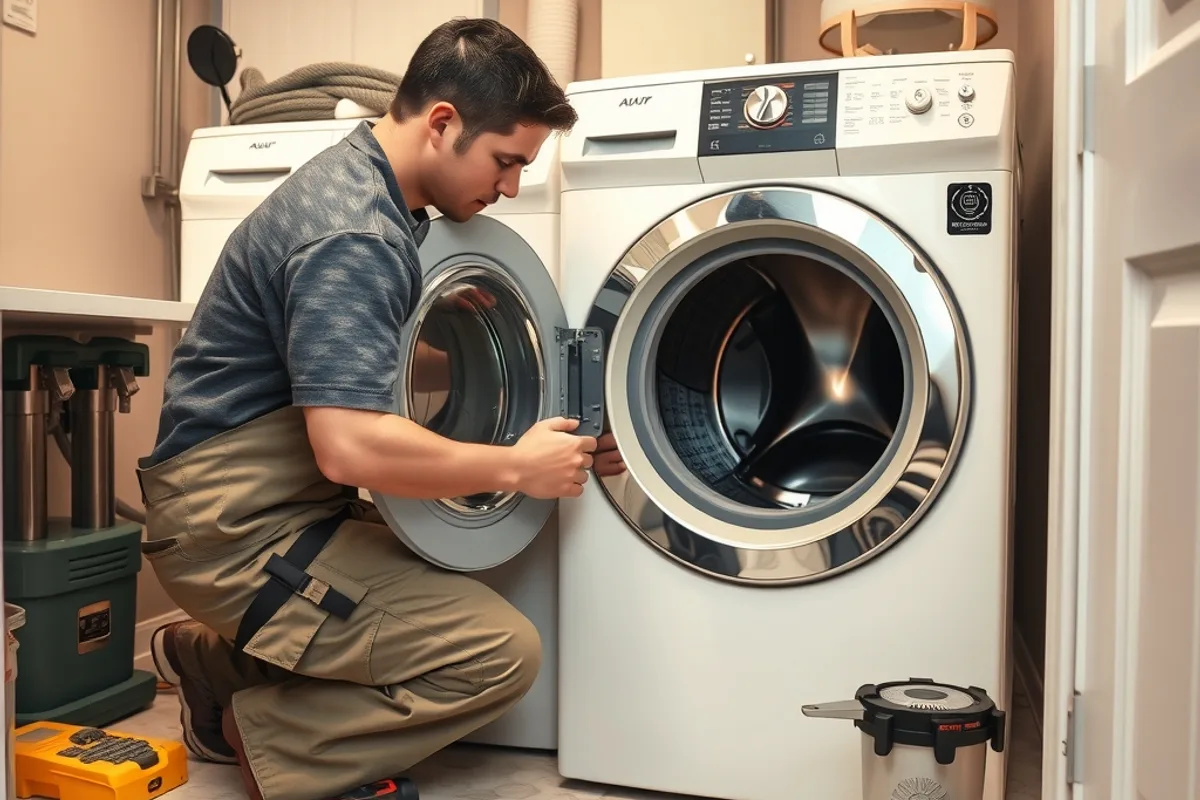
Claims usually require a service fee, often called a trade call fee, paid per visit regardless of whether the item is repaired, replaced or denied. If the same problem needs a second trade, you may pay a second fee. The annual premium plus several service fees can easily exceed the cost of a straightforward repair, so the plan is most useful for large, infrequent failures.
Coverage caps matter just as much. A $1,500 cap on an HVAC system may not cover a full replacement, leaving you with the difference. Some contracts offer a cash-out option instead of replacement; the amount is usually based on depreciated value or a fixed schedule. Understand which path the company can choose.
The normal process is: call the claims line, describe the problem, pay the service fee, and wait for an assigned contractor. The contractor diagnoses the fault and reports to the warranty company, which authorises the repair or denies the claim. You usually cannot choose your own contractor, and using one without authorisation may void the claim.
Keep records. Photograph the failure, keep receipts for maintenance and note the dates of every call. If a claim is denied, ask for the specific contract clause and the reason in writing. Escalate internally before filing a complaint with a consumer protection agency. Many disputes are resolved by a clear paper trail.

A warranty is most defensible when the home has several ageing systems that are still functioning, and the owner would struggle with a sudden four-figure bill. It can also be useful for a first-time buyer who wants a predictable budget in the first year, or for a seller who wants to offer reassurance during a listing.
It makes less sense for a new home with manufacturer warranties, for a house where the major systems were recently replaced, or for an owner with a healthy maintenance fund and reliable tradespeople. In those cases, the premium may be better saved and used directly. Run the arithmetic with your own numbers: annual premium, likely service fees and the cost of the two or three failures you are actually worried about.
A warranty does not prevent failures. It responds to them, and only within the contract's terms. A plan that excludes damage caused by missed maintenance is not a substitute for cleaning filters, flushing the water heater or fixing a leaking tap. In fact, poor maintenance is one of the most common reasons a claim is denied.
Keep a simple maintenance log: dates, tasks, receipts and contractor names. It takes five minutes per entry and is the best evidence that a failure was not caused by neglect. It also helps you notice small problems before they become claims.


A home warranty is a financial product with a narrow purpose: transferring the cost of certain failures for a fixed premium. It is neither a scam nor a maintenance plan. Read the exclusions, check the caps, understand the claims process and compare the premium with the real cost of the failures you fear. If the numbers work, the plan can be a sensible buffer. If they do not, a dedicated repair fund is usually more flexible.