
Home Warranty Plans: What They Cover, Exclude and Really Cost
A plain-English guide to home warranty plans: coverage caps, service fees, pre-existing conditions, exclusions, claim process and how to decide if one is worth it.
Most expensive home repairs start as small, boring tasks. This month-by-month routine keeps the roof, gutters, heating and plumbing from becoming emergencies.

A new home feels finished. The keys are handed over, the boxes are unpacked and the to-do list shrinks to decorating. Then the first autumn arrives, the gutters fill, the heating starts and a small stain appears on a ceiling. Home maintenance is the practice of noticing those things before they become invoices.
You do not need to be handy to protect a house. Most preventive work is inspection, cleaning and timely calls to a professional. A simple calendar, a notebook and a modest budget will do more than a garage full of tools.
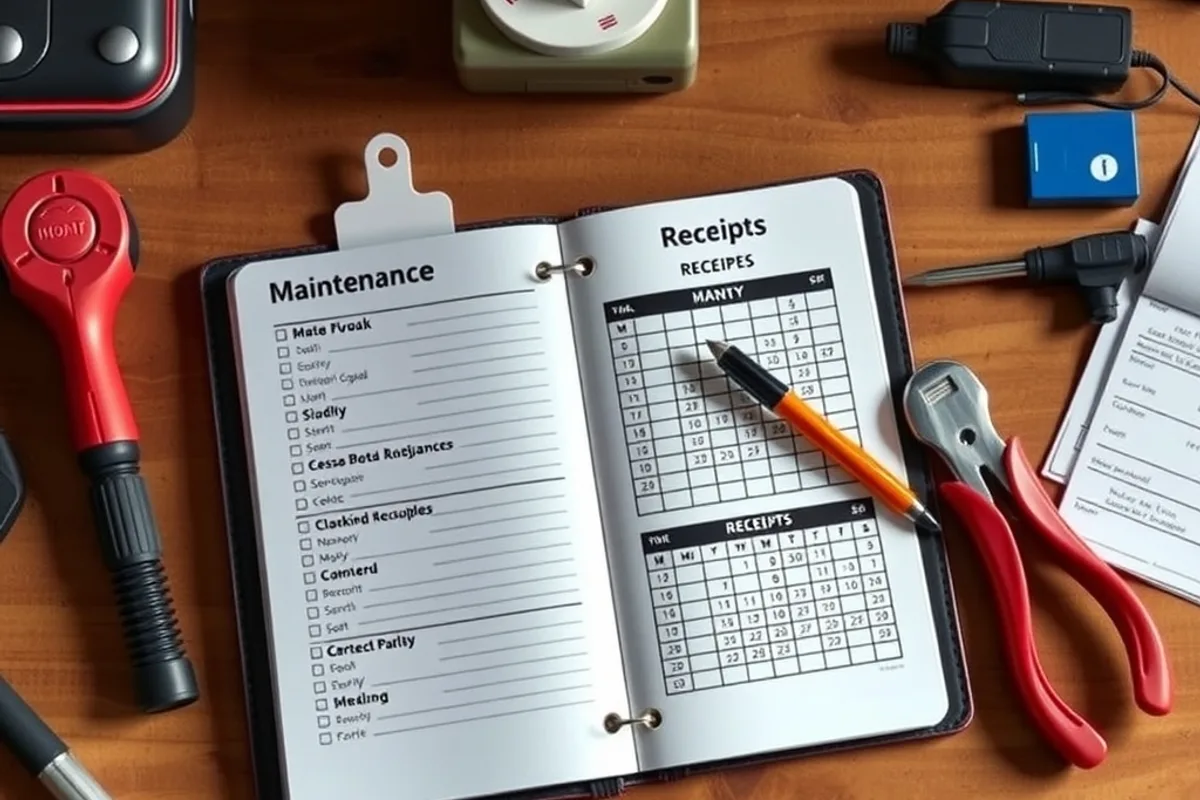
Choose one place for home records: a binder or a shared digital folder. Keep receipts, warranty documents, contractor contacts, paint colours, appliance manuals and dates of service. Add a maintenance log with three columns: date, task and notes. This record is useful for your own memory, for warranty claims and for a future sale.
Set a monthly reminder for a 20-minute walkthrough. Check ceilings for stains, under sinks for drips, around windows for drafts, and the exterior for changes in drainage or vegetation. Photograph anything unusual. A dated photo is powerful evidence if a problem grows.
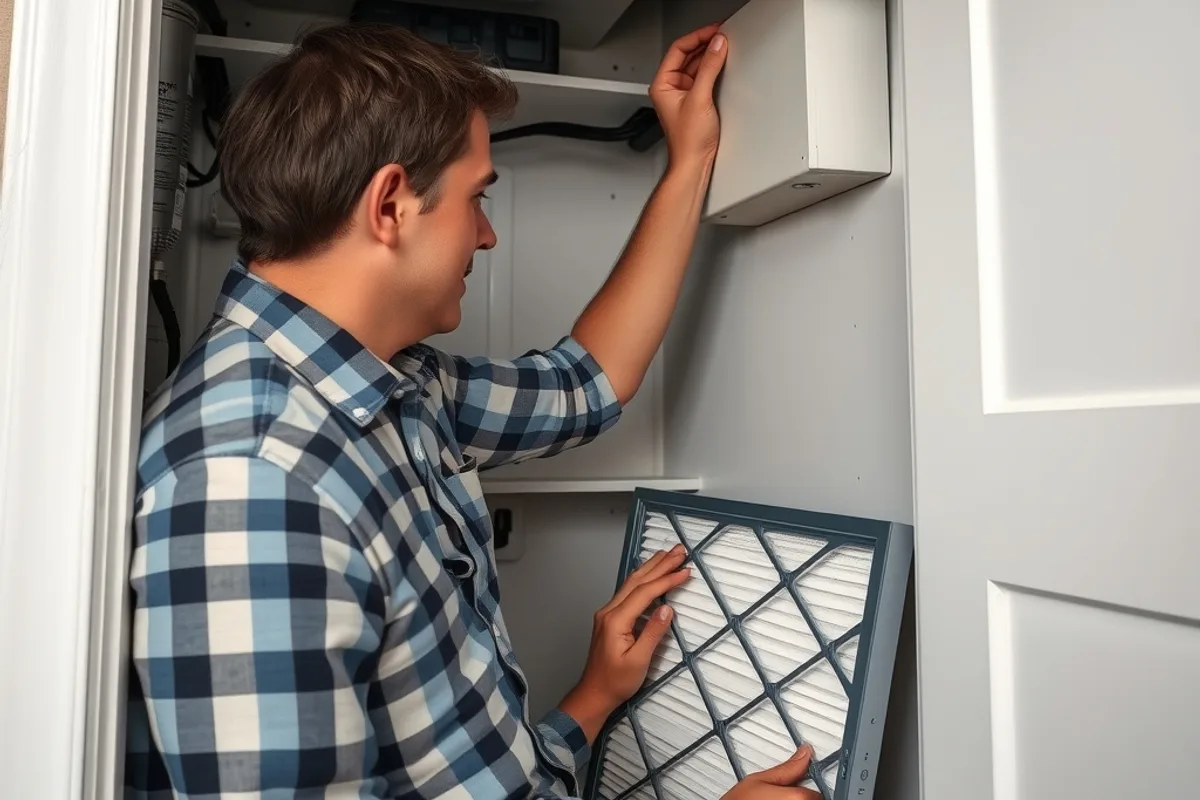
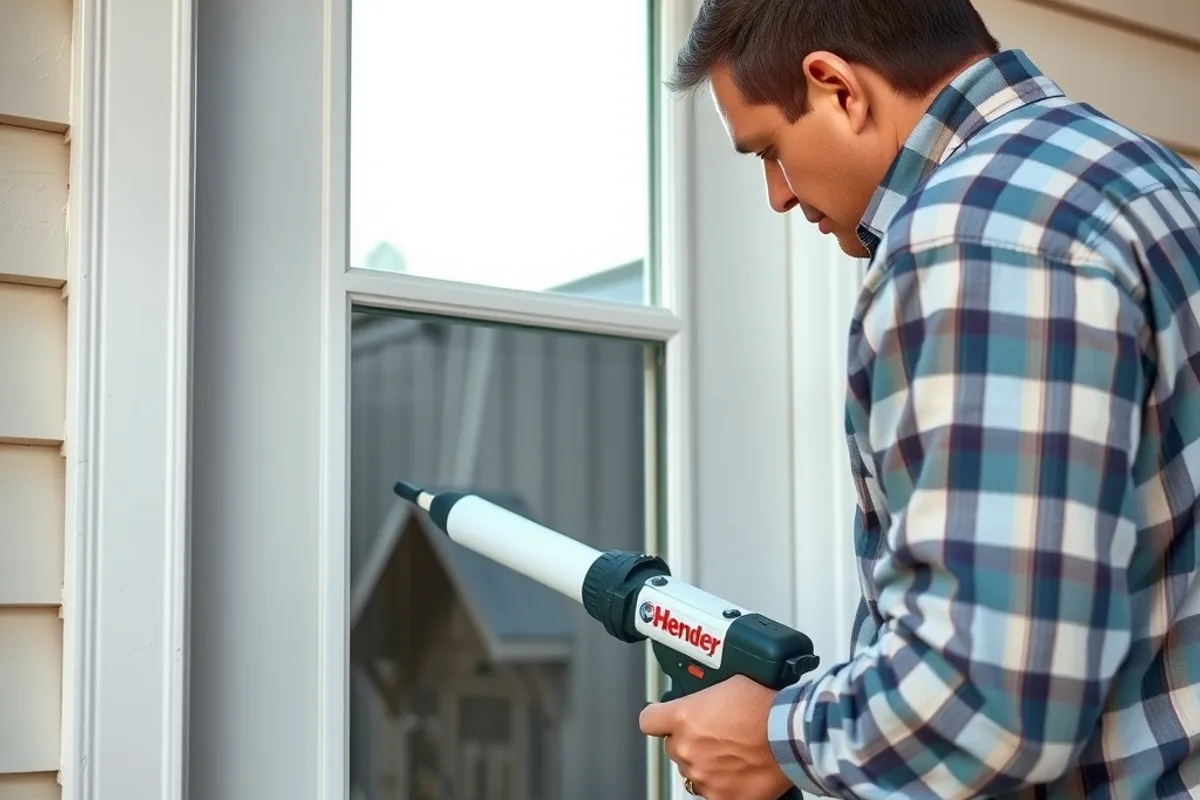
Spring is for water and the envelope. Check the roof from the ground with binoculars for missing or lifted shingles. Clean the gutters and downspouts, and make sure water discharges away from the foundation. Inspect caulking around windows, doors and penetrations, and repair any gaps. Test the air conditioning before the first hot week, not during it.
Service the cooling system, clean or replace filters, and clear the outdoor condenser of leaves and debris. Check the irrigation system for broken heads and leaks. Wash windows and inspect the frames for rot. If the house has a basement, check the sump pump and test it with a bucket of water.
Summer is for exteriors and shade. Inspect the deck for loose boards, popped nails and rot, and treat or seal timber as needed. Trim vegetation away from the roof, siding and air-conditioning unit. Check the attic for signs of heat or moisture problems, and make sure vents are not blocked by insulation.
This is also a good time to check exterior paint and stain, clean outdoor furniture and inspect fences and gates. If you are away, arrange for someone to check the house and run water. A leaking supply line in an empty house can do enormous damage in a short time.
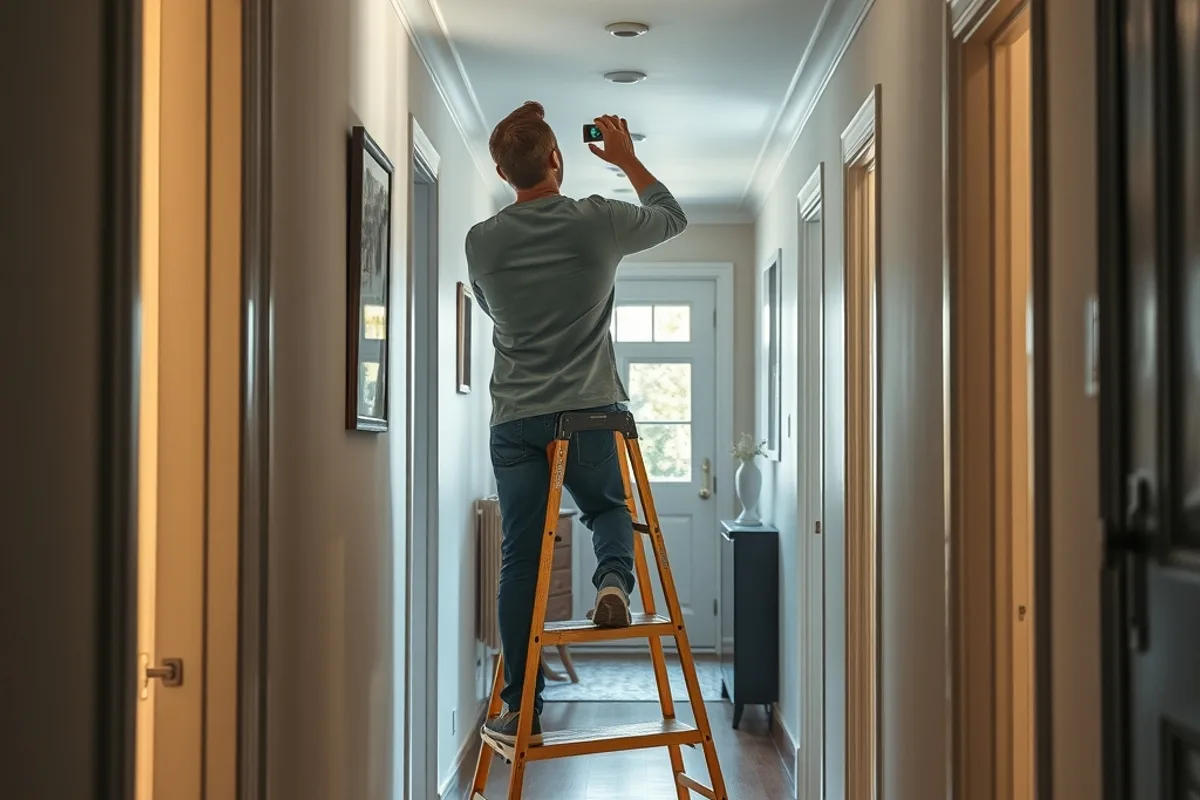
Autumn is the most important season for prevention. Clean the gutters after the leaves fall, and check that downspouts are connected and clear. Drain and store garden hoses, shut off exterior taps if freezing is possible, and have the heating system serviced. Replace the furnace filter and test the thermostat.
Seal gaps around doors and windows, and check the weatherstripping. Have the chimney swept if you use a fireplace or wood stove. Reverse ceiling fans, bring in outdoor furniture and check the roof for debris. If you have a sump pump, test it again before winter. Insulate exposed pipes in unheated spaces.
Winter is about freeze protection and ventilation. Keep the thermostat at a minimum temperature, even when away, and know where the main water shutoff is. If a pipe freezes, turn off the water before thawing. Clear snow from vents for high-efficiency furnaces and from the base of downspouts. Check for ice dams and address the underlying cause rather than just the symptom.
Watch for condensation on windows and in the attic. A little is normal; persistent moisture suggests an air leak, inadequate ventilation or a humidity problem. Keep the humidity in a comfortable range and use bathroom and kitchen fans consistently. If you have a wood-burning appliance, keep the flue clear and the hearth protected.
Some tasks are not DIY. Have the heating system serviced annually, the chimney swept as recommended, the water heater flushed periodically and the electrical panel inspected if it is old or has been altered. Test the pressure relief valve on the water heater carefully, or ask a plumber to do it. If the roof is steep, high or fragile, do not walk on it; call a roofer.
Keep a list of trusted trades: plumber, electrician, HVAC technician, roofer and handyman. Ask for recommendations before you need them, and record the names and numbers in your home file. In an emergency, a known contact is worth more than a search result.
Set aside a percentage of the home's value each year for maintenance, plus a separate reserve for larger replacements. The exact number depends on the age and condition of the house, but the principle is to fund the work before it is urgent. A roof, a furnace or a sewer line is easier to handle when it is planned.
Track the age of major systems: roof, water heater, HVAC, appliances and exterior paint. Put replacement dates in the calendar with a margin. When a system reaches the end of its expected life, start pricing options before it fails. This is also the moment to review any home warranty or service contract, because coverage often excludes old or poorly maintained equipment.
Preventive maintenance is not glamorous, but it is the cheapest renovation you will ever do. Walk the house once a month, follow the seasons, keep the gutters and filters clean and record what you find. A small habit repeated through the year is what keeps a home dry, warm and expensive to ignore.