
Real Estate Listing Photos: A Room-by-Room Prep Guide
A room-by-room checklist for listing photography: decluttering, light, staging, exterior timing and the mistakes that make a home look smaller online.
Comparable sales are the starting point, not the answer. In a slower market, price bands, days on market and buyer psychology decide whether a listing moves.
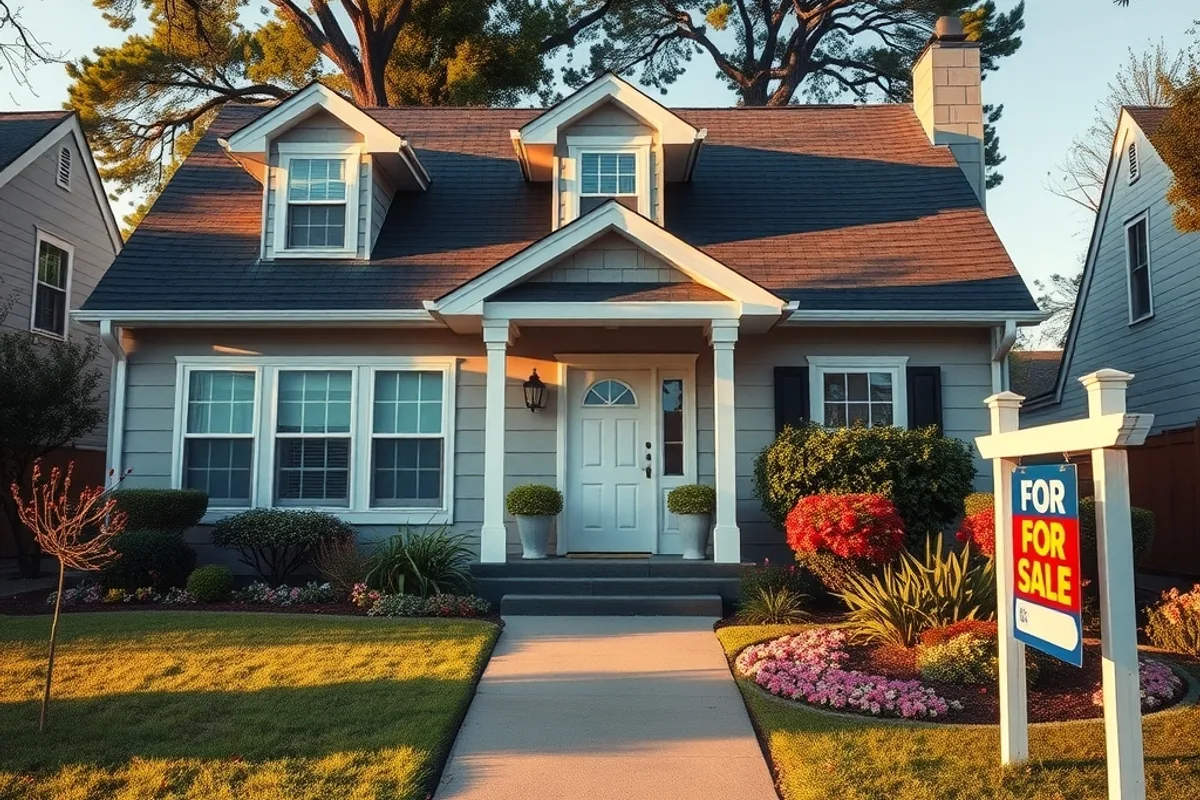
In a fast market, pricing is forgiving. Buyers compete, small overpricing is absorbed by urgency, and a house that is slightly too expensive may still sell within weeks. In a slow market, the same mistake is punished. Buyers have choices, inspections are more demanding, and a listing that sits becomes a negotiation weapon for the other side.
Comparable sales still matter, but they are not a spreadsheet answer. The price has to reflect what a buyer can afford, what else they can buy for the same money and how the listing will look after thirty days on the market.
A good comparable sale is recent, nearby and genuinely similar in size, age, layout and condition. Most automated valuations fail because they weight square footage and postcode more heavily than a buyer does. A renovated three-bedroom with a garden is not interchangeable with an unrenovated three-bedroom on a busier road simply because the numbers are close.
Build a table of five to eight sales and adjust each one for differences: condition, kitchen and bathroom age, parking, outdoor space, view, noise and lot size. Then look at the range, not the average. The average of a wide spread is often a price no buyer would choose.
Ask what did not sell. Withdrawn listings and expired contracts are useful evidence. They tell you where the ceiling is, especially when a house was well presented and still failed to attract offers.

Buyers search in bands. A house priced at $505,000 may be invisible to buyers whose filter stops at $500,000, while a house at $499,000 appears in searches that the seller never considered. The effect is strongest at round numbers. Pricing just below a threshold can widen the audience without changing the underlying value.
At the same time, a price that is too precise can look calculated. There is a balance between search optimisation and credibility. Look at how local listings cluster, and position the property where it will appear alongside the homes it actually competes with. If every comparable is at $520,000 and your house is at $499,000, buyers will assume something is wrong unless the marketing explains why.
Sellers often want to price for the house they wish they had. Buyers price for the work they can see. A dated kitchen, worn carpet or a bathroom that needs replacing will be discounted, and usually by more than the cost of the work, because buyers price in inconvenience and risk.
Either do the work or adjust the price. A pre-listing inspection and a short list of completed repairs can also protect value. Small fixes, fresh paint, cleaned grout and good lighting are cheap relative to the discount a buyer will demand for a house that feels neglected.
In a slow market, the first two weeks are the best audience the listing will ever have. Serious buyers are watching, alerts are fresh and the agent's network is paying attention. If the house does not attract viewings or offers in that window, the market is telling you something about price, presentation or both.
A listing that sits becomes more difficult to sell. Buyers ask why, assume there is a problem and offer lower. Agents may stop prioritising it. A timely reduction is often better than a long wait, because it re-enters the alerts and signals that the seller is serious. Plan the trigger in advance: a set number of viewings or days, not a vague hope.
A price reduction is visible and permanent. A concession, such as a credit toward closing costs or a repair allowance, can bridge a gap without resetting the public price. Concessions are useful when the buyer's issue is cash at closing rather than value, or when an inspection reveals a specific repair.
Be careful with concessions that hide a structural price problem. If the roof needs replacing, a small credit may not satisfy a lender or an appraiser. In a slow market, buyers are more likely to walk away from ambiguity, so a clear, well-documented solution is worth more than a vague allowance.
Price and presentation have to agree. A premium price with average photos and a thin description invites doubt. Professional photography, a floor plan, a clear list of improvements and a well-prepared showing all reinforce the number. If the house is priced at the top of its range, the marketing has to justify the position.
Target the buyers who can actually afford it. A family home near schools should be marketed to families; a lock-and-leave townhouse should speak to downsizers or professionals. The more specific the message, the less the listing relies on a broad discount to find its audience.


Pricing in a slow market is a discipline of evidence and honesty. Use the comps to find the range, then price for the buyer's alternatives and the condition they can see. Present the house as well as the price deserves, watch the first two weeks closely and act on what the market tells you. The goal is not the highest possible number on day one; it is a sale that closes without a long, expensive negotiation.